
Dosage and mixing
KPV dosage and mixing
Reference doses with their sources, and the mixing math for each vial size. A calculator, not advice.
What sources report
Each figure with where it comes from.
Show what people report
| Context | Amount | Source |
|---|---|---|
| Anti-inflammatory (community, SC)A per-injection amount people commonly report for systemic use, often starting low and adjusting. | 0.2–0.5 mg (200–500 mcg)1–2× daily · Used as needed (community) | What people report · Anecdotal, not a recommendation Community-reported and anecdotal (~200–500 mcg per subcutaneous injection, 1–2× daily). KPV (a fragment of α-MSH) has mostly preclinical evidence; it is not FDA-approved, has no validated human dose, and this is not a recommendation. |
Vial sizes
Pick your vial size
Each size has its own water table and units for each amount.
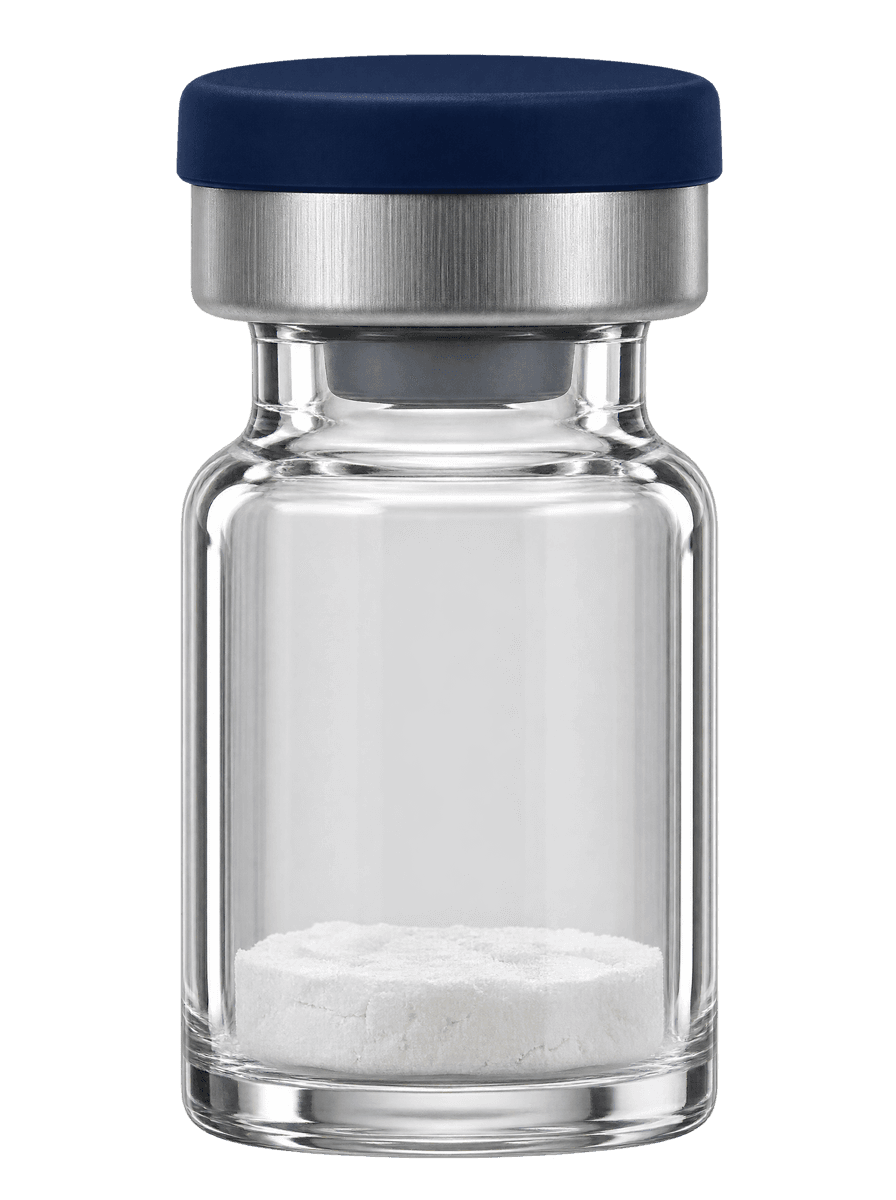
Calculate for your vial
Type what's in your vial, the water you added and your own dose. It returns the units to draw on a U-100 insulin syringe.
- Strength after mixing
- —
- Each unit holds
- —
- Doses in the vial at your number
- —
How to mix KPV
Wash hands and prepare the area
Wash your hands thoroughly and wipe down a clean, flat surface. Let the vials reach room temperature to reduce condensation.Disinfect the stoppers
Wipe the rubber stopper of both the KPV vial and the bacteriostatic water vial with separate alcohol prep pads and let them air dry.Draw the diluent
Draw your pre-calculated volume of bacteriostatic water into the syringe. Use our reconstitution math guide to choose a volume that makes measurement easy.Add water slowly
Insert the needle into the KPV vial and let the water run slowly down the inside glass wall rather than blasting it directly onto the powder, which can damage the peptide.Dissolve gently
Remove the syringe and gently swirl or roll the vial. Do not shake. Wait until the solution is completely clear with no visible particles.Label and refrigerate
Label the vial with the concentration and date, then store it in the refrigerator per product guidance. Inspect for cloudiness or particles before any use.
Questions
Short answers about KPV.
What is KPV?
KPV is a tripeptide made of three amino acids: lysine (K), proline (P), and valine (V). The sequence corresponds to the last three residues (11-13) of alpha-melanocyte-stimulating hormone (alpha-MSH). It has been studied mainly in cells and animals for anti-inflammatory activity. It is research only and has not been approved as a medicine.
What is KPV studied for?
Most published KPV research is preclinical (cells and animals) and focuses on inflammation, particularly in models of inflammatory bowel disease and skin inflammation, with some work on antimicrobial activity. These findings do not establish that KPV is safe or effective in humans.
Is KPV FDA-approved?
No. KPV is not approved by the U.S. FDA for any use. It is sold for research only. Whether it may be used by compounding pharmacies under the FDA's 503A bulk drug substances process has been the subject of ongoing FDA review, but being reviewed or evaluated is not the same as being approved as a drug.
Is KPV legal?
KPV is not an approved drug or dietary supplement in the United States, so it cannot legally be marketed for human consumption. Laws vary by country, and rules for research-only peptides can change. Check local regulations and consult a licensed professional.
How is KPV thought to work?
In laboratory studies, KPV appears to dampen inflammatory signaling by interfering with pathways such as NF-kB and MAP kinase, lowering pro-inflammatory cytokines. Unlike full alpha-MSH, it is reported to act largely without binding melanocortin receptors, partly through the peptide transporter PepT1. These are research-stage mechanisms, not confirmed human effects.
What are the reported side effects of KPV?
Human safety data are very limited because rigorous human trials are lacking. Animal studies have generally reported good tolerability, but that does not establish a human safety profile. Product purity in the research-only market is also inconsistent. Anyone considering it should speak with a licensed clinician first.
How is KPV dosed in research settings?
Published animal studies use a range of doses and routes that do not translate directly to humans, and there is no established, validated human dose. This page does not provide dosing instructions; dosing decisions belong with a licensed clinician.
References
- 1.PepT1-Mediated Tripeptide KPV Uptake Reduces Intestinal Inflammation — Gastroenterology · 2008
- 2.Melanocortin-derived tripeptide KPV has anti-inflammatory potential in murine models of inflammatory bowel disease — Inflammatory Bowel Diseases · 2008
- 3.Antimicrobial effects of alpha-MSH peptides — Journal of Leukocyte Biology · 2000
- 4.Single Administration of Tripeptide alpha-MSH(11-13) Attenuates Brain Damage by Reduced Inflammation and Apoptosis after Experimental Traumatic Brain Injury in Mice — PLoS One · 2013
- 5.Orally Targeted Delivery of Tripeptide KPV via Hyaluronic Acid-Functionalized Nanoparticles Efficiently Alleviates Ulcerative Colitis — Molecular Therapy · 2017
Education, not medical advice. WikiPeps records and explains. It never tells you what to take.