
Dosage and mixing
Retatrutide dosage and mixing
Reference doses with their sources, and the mixing math for each vial size. A calculator, not advice.
What sources report
Each figure with where it comes from.
| Context | Amount | Source |
|---|---|---|
| Studied: ObesityRoute: subcutaneous | Phase-2 trial arms ran 1–12 mg/week; 12 mg was the HIGHEST STUDIED dose (Jastreboff, NEJM 2023 / NCT04881760) — not a target or recommendation. Most data centers on the lower 1–8 mg arms. Participants received 1 mg LY3437943 administered as SC injection QW. | Studied in trials · NCT04881760 Observational human-trial dose — studied, NOT a target or recommendation. Phase 2 (NCT04881760). |
| Studied: Type 2 DiabetesRoute: subcutaneous | Participants received 0.5 mg LY3437943 administered as SC (subcutaneous) injection once weekly (QW). | Studied in trials · NCT04867785 Observational human-trial dose — studied, NOT a target or recommendation. Phase 2 (NCT04867785). |
Vial sizes
Pick your vial size
Each size has its own water table and units for each amount.
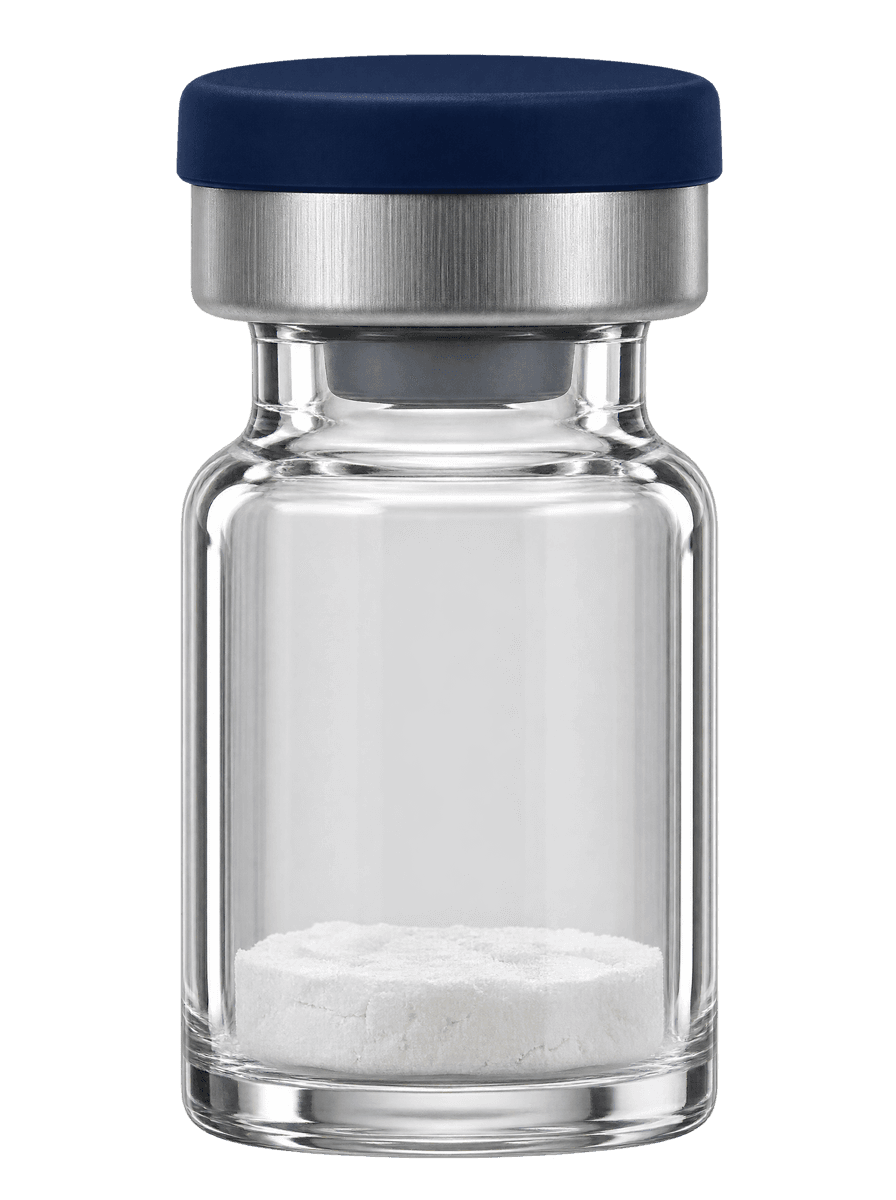
- 12 mg vial
- Mixing and units4 mg/mL with 3 mL water
Calculate for your vial
Type what's in your vial, the water you added and your own dose. It returns the units to draw on a U-100 insulin syringe.
- Strength after mixing
- —
- Each unit holds
- —
- Doses in the vial at your number
- —
How to mix Retatrutide
Wash hands and prepare the area
Wash your hands thoroughly and wipe down a clean, flat surface. Let both the peptide vial and the diluent reach room temperature to reduce condensation. This overview describes general laboratory handling of a lyophilized powder and is not instruction for human use.Disinfect the stoppers
Wipe the rubber stopper of both the retatrutide vial and the bacteriostatic water vial with separate alcohol prep pads and let them air dry.Draw the diluent
Draw your chosen volume of bacteriostatic water into the syringe. This page does not give human dosing amounts; see our reconstitution math guide for how concentration relates to volume.Add water slowly
Insert the needle into the retatrutide vial and let the water run slowly down the inside glass wall rather than spraying it directly onto the powder, which can damage the peptide.Dissolve gently
Remove the syringe and gently swirl or roll the vial. Do not shake. Wait until the solution is completely clear with no visible particles.Label and refrigerate
Label the vial with the concentration and date, then store it in the refrigerator per product guidance. Inspect for cloudiness or particles before any handling. For any decision involving a human, stop here and consult a licensed clinician.
Questions
Short answers about Retatrutide.
What is retatrutide?
Retatrutide (development code LY3437943) is an investigational peptide made by Eli Lilly that acts on three hormone receptors at once: GIP, GLP-1, and glucagon. It is being studied in clinical trials for obesity and type 2 diabetes. It is not FDA-approved and is not available as a prescription medicine.
Is retatrutide FDA-approved?
No. As of mid-2026 retatrutide is investigational and has not been approved by the FDA or any major regulator. It is only available to people enrolled in registered clinical trials. Powders sold online as 'research only' are not the trial product and are not approved or quality-assured for human use.
What is retatrutide being studied for?
Published phase 2 trials examined retatrutide for weight reduction in obesity, glycemic control in type 2 diabetes, and metabolic dysfunction-associated steatotic liver disease (MASLD/fatty liver). Phase 3 trials (the TRIUMPH program) are under way, and the first pivotal obesity trial has reported positive top-line results. None of these uses is FDA-approved.
How is retatrutide different from semaglutide or tirzepatide?
Semaglutide targets one receptor (GLP-1) and tirzepatide targets two (GIP and GLP-1). Retatrutide adds a third — the glucagon receptor — which in animal studies increases energy expenditure. Whether this translates into a meaningful long-term advantage in people is still being tested; it is not yet an approved drug.
What are the reported side effects of retatrutide?
In phase 2 trials the most common adverse events were gastrointestinal (nausea, vomiting, diarrhea, constipation), mostly mild to moderate and dose-related. Dose-dependent increases in heart rate were also observed. Long-term safety is not established, and a clinician is the right person to assess risk.
Is retatrutide legal to buy?
Retatrutide is not an approved medicine, so it cannot be legally prescribed or sold for human use. Vendors that sell it label it 'for research use only,' which does not make it safe or legal to inject. Buying or self-administering an unapproved drug carries legal, quality, and health risks. WikiPeps does not sell it or say where to get it.
Does WikiPeps provide a retatrutide dose?
No. There is no validated human dose outside of clinical trials, and WikiPeps does not publish dosing protocols or amounts for any peptide. Any decision about an investigational drug belongs with a licensed clinician and, ideally, enrollment in a monitored trial.
References
- 1.NCT04881760
- 2.NCT04867785
- 3.Triple–Hormone-Receptor Agonist Retatrutide for Obesity — A Phase 2 Trial (Jastreboff et al.) — New England Journal of Medicine (PubMed-indexed; DOI 10.1056/NEJMoa2301972) · 2023
- 4.Retatrutide, a GIP, GLP-1 and glucagon receptor agonist, for people with type 2 diabetes: a phase 2 trial (Rosenstock et al.) — The Lancet (PubMed-indexed; 2023;402:529-544) · 2023
- 5.Triple hormone receptor agonist retatrutide for metabolic dysfunction-associated steatotic liver disease: a randomized phase 2a trial (Sanyal et al.) — Nature Medicine (PubMed-indexed; PMC11271400) · 2024
- 6.LY3437943, a novel triple GIP, GLP-1, and glucagon receptor agonist in people with type 2 diabetes: a phase 1b, multiple-ascending dose trial (Coskun et al.) — The Lancet (PubMed: 36354040) · 2022
- 7.Search results for 'retatrutide' (TRIUMPH phase 3 program and other registered studies) — ClinicalTrials.gov · 2025
Education, not medical advice. WikiPeps records and explains. It never tells you what to take.