
Dosage and mixing
AOD-9604 dosage and mixing
Reference doses with their sources, and the mixing math for each vial size. A calculator, not advice.
What sources report
Each figure with where it comes from.
Show what people report
| Context | Amount | Source |
|---|---|---|
| Fat-loss support (community, SC)A per-injection amount people commonly report, often once daily on an empty stomach and cycled. | 0.3–0.5 mg (300–500 mcg)Once daily · ~8–12 weeks (community) | What people report · Anecdotal, not a recommendation Community-reported and anecdotal (~300–500 mcg per subcutaneous injection, once daily). AOD-9604 (an hGH 176-191 fragment) did not outperform placebo in human obesity trials, is not FDA-approved, has no validated human dose, and this is not a recommendation. |
Vial sizes
Pick your vial size
Each size has its own water table and units for each amount.
Calculate for your vial
Type what's in your vial, the water you added and your own dose. It returns the units to draw on a U-100 insulin syringe.
- Strength after mixing
- 2.5 mg/mL
- Each unit holds
- 0.025 mg (25 mcg)
- Doses in the vial at your number
- —
How to mix AOD-9604
Wash hands and prepare the area
Wash your hands thoroughly and wipe down a clean, flat surface. Let both vials reach room temperature to reduce condensation.Disinfect the stoppers
Wipe the rubber stopper of both the AOD-9604 vial and the bacteriostatic water vial with separate alcohol prep pads and let them air dry.Draw the diluent
Draw your pre-calculated volume of bacteriostatic water into the syringe. Use our reconstitution math guide to choose a volume that makes measurement easy.Add water slowly
Insert the needle into the AOD-9604 vial and let the water run slowly down the inside glass wall rather than blasting it directly onto the powder, which can damage the peptide.Dissolve gently
Remove the syringe and gently swirl or roll the vial. Do not shake. Wait until the solution is completely clear with no visible particles.Label and refrigerate
Label the vial with the concentration and date, then store it in the refrigerator per product guidance. Inspect for cloudiness or particles before any use.
Questions
Short answers about AOD-9604.
What is AOD-9604?
AOD-9604 (Anti-Obesity Drug 9604) is a synthetic 16-amino-acid peptide based on the C-terminal region of human growth hormone (residues 176-191), with a small modification at one end. It was developed in Australia to study fat loss. It is research only and has not been approved as a medicine.
What is AOD-9604 studied for?
It was developed and studied primarily for obesity and fat loss, based on the lipolytic (fat-breaking) portion of growth hormone. Some later interest has been in cartilage and metabolic research. Most supportive data are from cell and animal studies; human obesity trials did not show a meaningful weight-loss benefit over placebo.
Does AOD-9604 actually work for weight loss?
In preclinical (animal) models it increased fat breakdown and reduced fat buildup. However, in human clinical trials, including a larger Phase IIb obesity study, AOD-9604 did not produce statistically significant weight loss compared with placebo, and the developer discontinued it as an obesity drug around 2007. There is no proof it works for weight loss in people.
Is AOD-9604 FDA-approved?
No. AOD-9604 is not approved by the U.S. FDA for any use, and it failed to demonstrate efficacy in human obesity trials. Its status under FDA pharmacy-compounding rules has shifted over time: in 2023 it was placed in Category 2 of the interim 503A bulk-substances list (substances flagged as potentially posing significant safety risks), and in September 2024 it was removed from that category after the nomination was withdrawn, with further review by the Pharmacy Compounding Advisory Committee. None of this makes it an approved product — it remains an unapproved substance.
Is AOD-9604 legal?
AOD-9604 is not an approved drug or dietary supplement in the United States, so it cannot legally be marketed for human consumption. The World Anti-Doping Agency (WADA) prohibits AOD-9604 in sport as a growth-hormone fragment. Laws vary by country; check local regulations and consult a licensed professional.
What are the reported side effects of AOD-9604?
Human safety data are limited. In the trials that were run, AOD-9604 was reported as generally well tolerated and did not appear to raise IGF-1 or impair glucose tolerance the way full-length growth hormone can. Even so, long-term safety in humans is not established, and anyone considering it should speak with a licensed clinician first.
How is AOD-9604 dosed in research?
There is no validated human dose, because AOD-9604 is not an approved medicine and failed its obesity trials. Published studies used a range of doses that do not translate into safe human guidance. This page does not provide dosing instructions; dosing decisions belong with a licensed clinician.
How is AOD-9604 reconstituted?
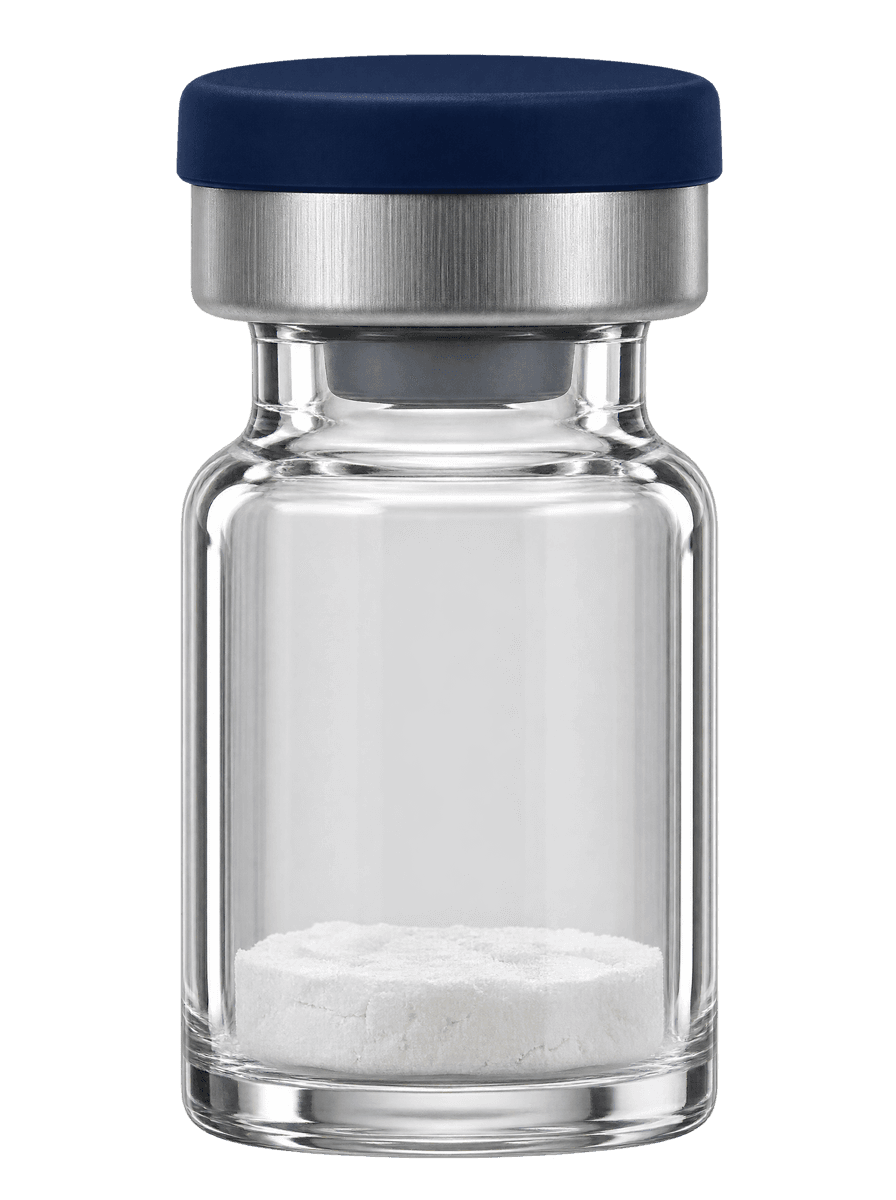
Lyophilized AOD-9604 powder is typically reconstituted with bacteriostatic water by slowly injecting the water down the inside wall of the vial and gently swirling until dissolved. See the reconstitution steps below and our full reconstitution guide.
References
- 1.The effects of human GH and its lipolytic fragment (AOD9604) on lipid metabolism following chronic treatment in obese mice and beta(3)-AR knock-out mice — Endocrinology (PubMed PMID 11713213) · 2001
- 2.Safety and Tolerability of the Hexadecapeptide AOD9604 in Humans — Journal of Endocrinology and Metabolism · 2013
- 3.Bulk Drug Substances Used in Compounding Under Section 503A of the FD&C Act (interim 503A bulks list; AOD-9604 placed in Category 2 in 2023 and removed in September 2024) — U.S. Food and Drug Administration · 2024
- 4.Prohibited List — Peptide Hormones, Growth Factors, Related Substances and Mimetics (S2) — World Anti-Doping Agency (WADA) · 2024
Education, not medical advice. WikiPeps records and explains. It never tells you what to take.