
AOD-9604
How to reconstitute the 5 mg vial and convert any target dose into insulin units. Reconstitution math and unit conversions for the 5 mg vial. AOD-9604 has no validated human dose; the usage pattern shown is community-reported and anecdotal.
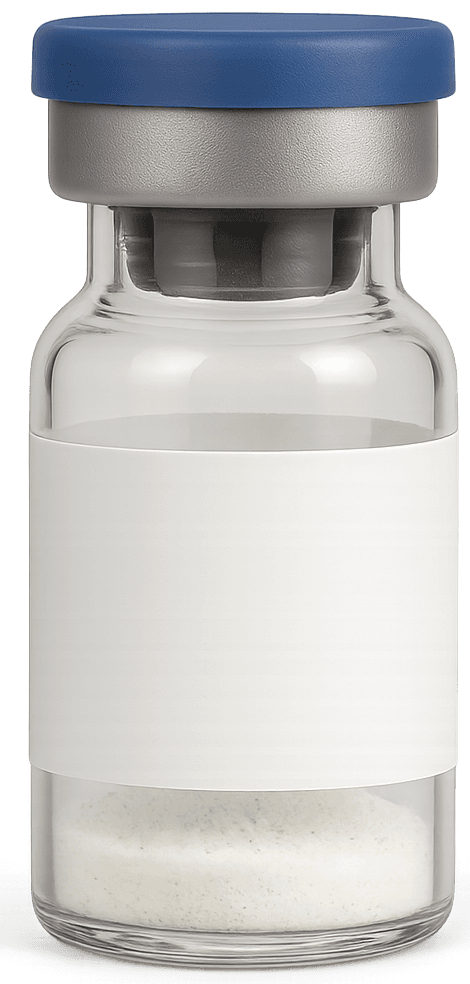
No validated human dose. AOD-9604 is a research-use peptide with no FDA-approved dose. The reconstitution math below is exact measurement — a calculator, not advice. Any usage figures are community-reported and clearly labeled, and none of this is medical advice.
Calculate for your vial
Enter the mg on your AOD-9604 vial, the bacteriostatic water you added, and your target dose — it works out the exact units to draw on a U-100 insulin syringe, for whatever you personally have.
Reconstitution Calculator
Check the decimal. A misplaced decimal point here is a 10× dosing error. Re-read every number, and confirm your dose with a licensed clinician before you draw.
Educational only — not a dosing recommendation. This tool does the measurement math; it does not tell you what to take. On a U-100 insulin syringe, 100 units = 1 mL.
1 · Find your dose
Pick what you're using AOD-9604 for and how much bacteriostatic water you added — this pulls out the exact units to draw and how often people report using it.
to draw 300 mcg–500 mcg at 2 mL water
2.5 mg/mL · 25 mcg per unit
- How often
- Once daily
- Cycle
- ~8–12 weeks (community)
Community-reported and anecdotal (~300–500 mcg per subcutaneous injection, once daily). AOD-9604 (an hGH 176-191 fragment) did not outperform placebo in human obesity trials, is not FDA-approved, has no validated human dose, and this is not a recommendation.
2 · Reconstitute it cleanly, step by step
How to turn the 5 mg powder into a measured liquid with clean, sterile technique. More water means each insulin unit holds less peptide — easier to measure small amounts accurately.
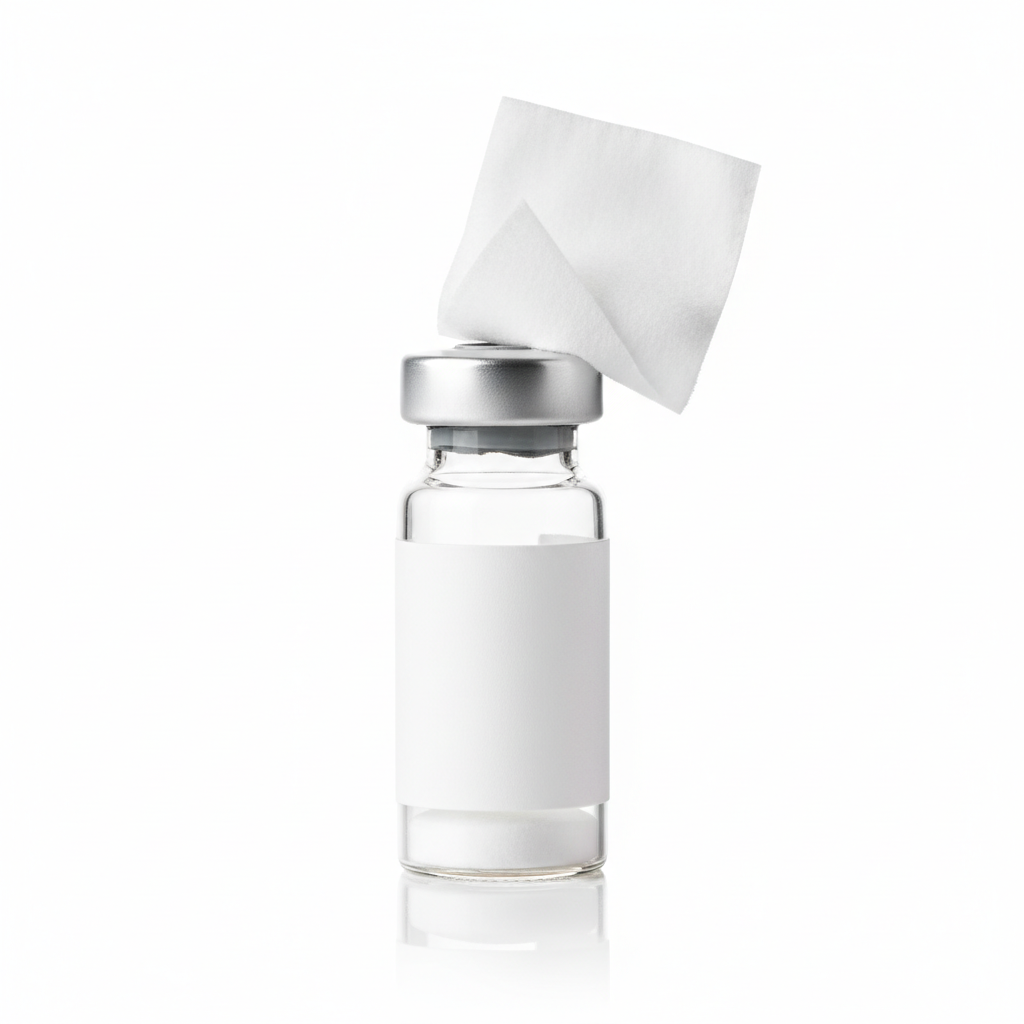 1
1Swab the stoppers
Wipe the rubber top of each vial with an alcohol pad and let it air-dry.
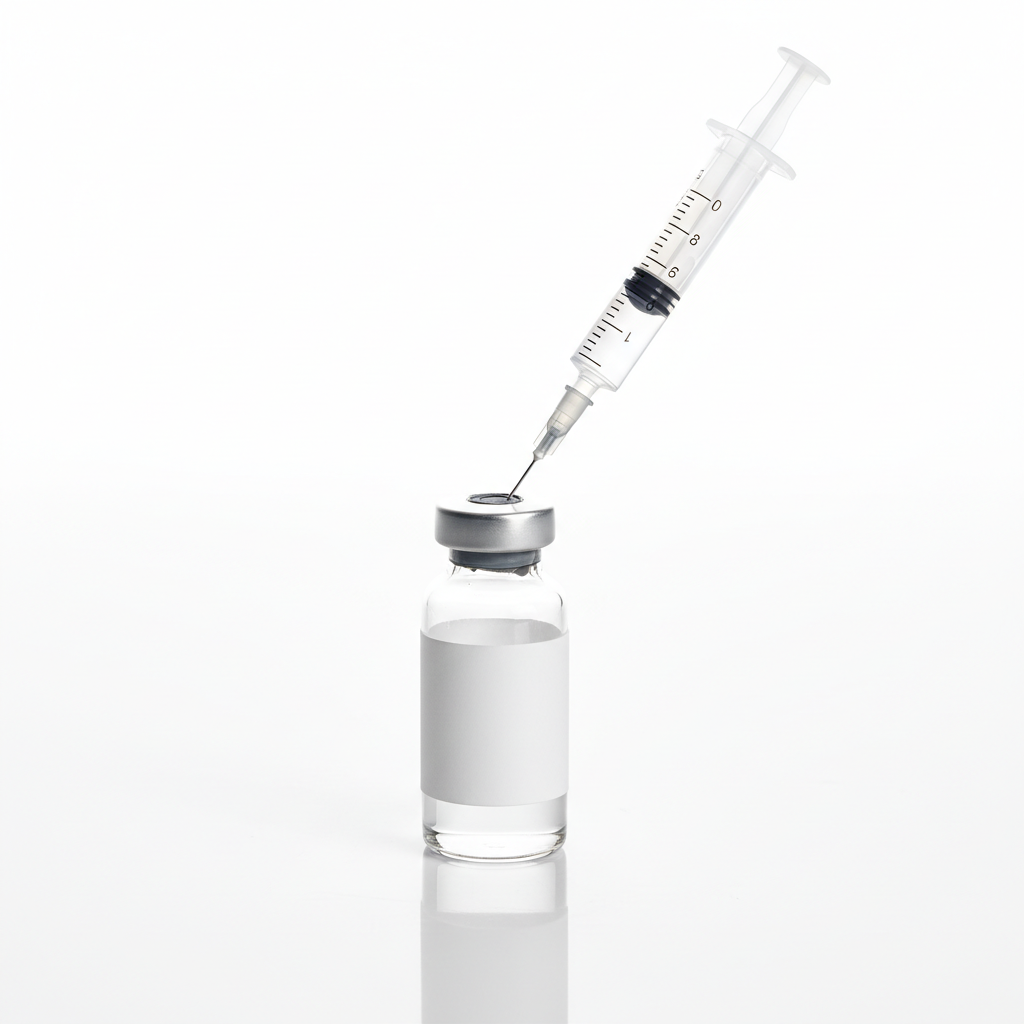 2
2Draw the water
Pull your bacteriostatic water up into the insulin syringe.
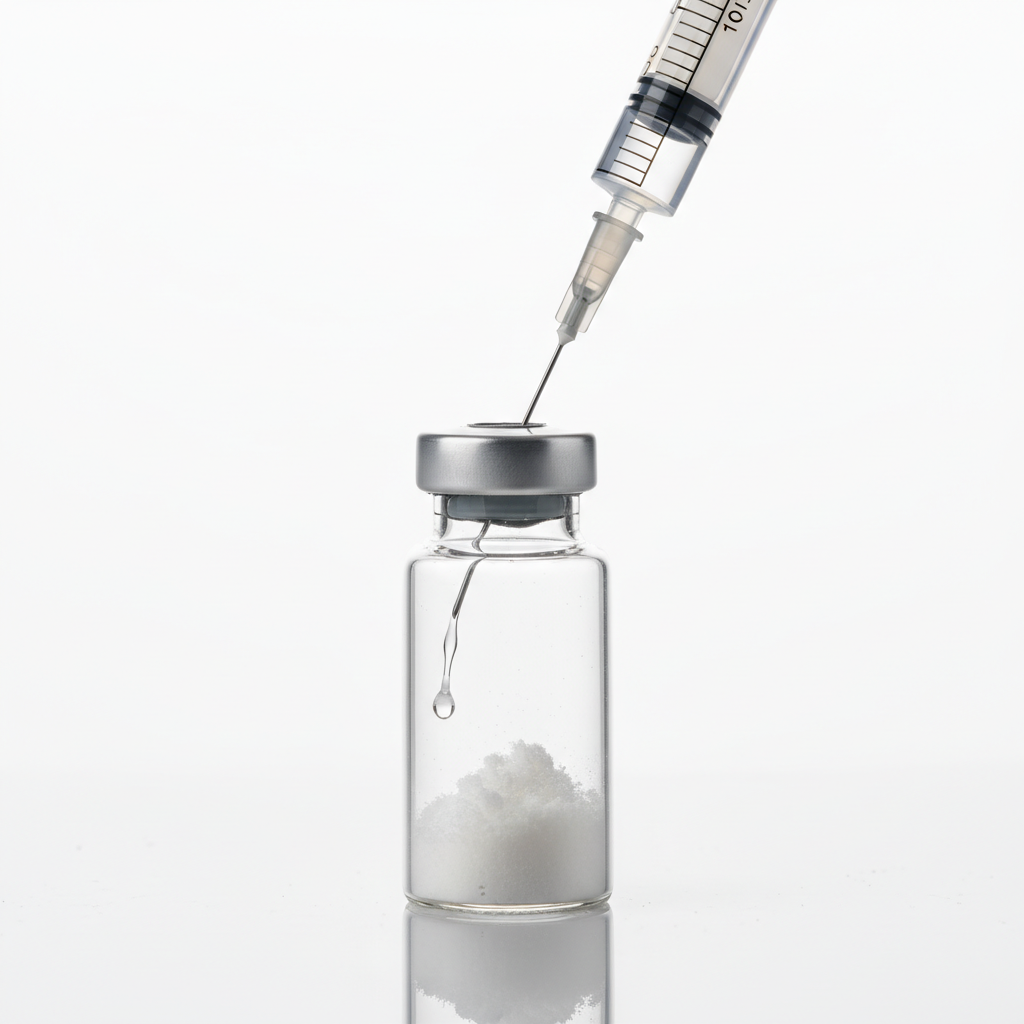 3
3Reconstitute
Inject it slowly down the inside wall of the peptide vial — never straight onto the powder.
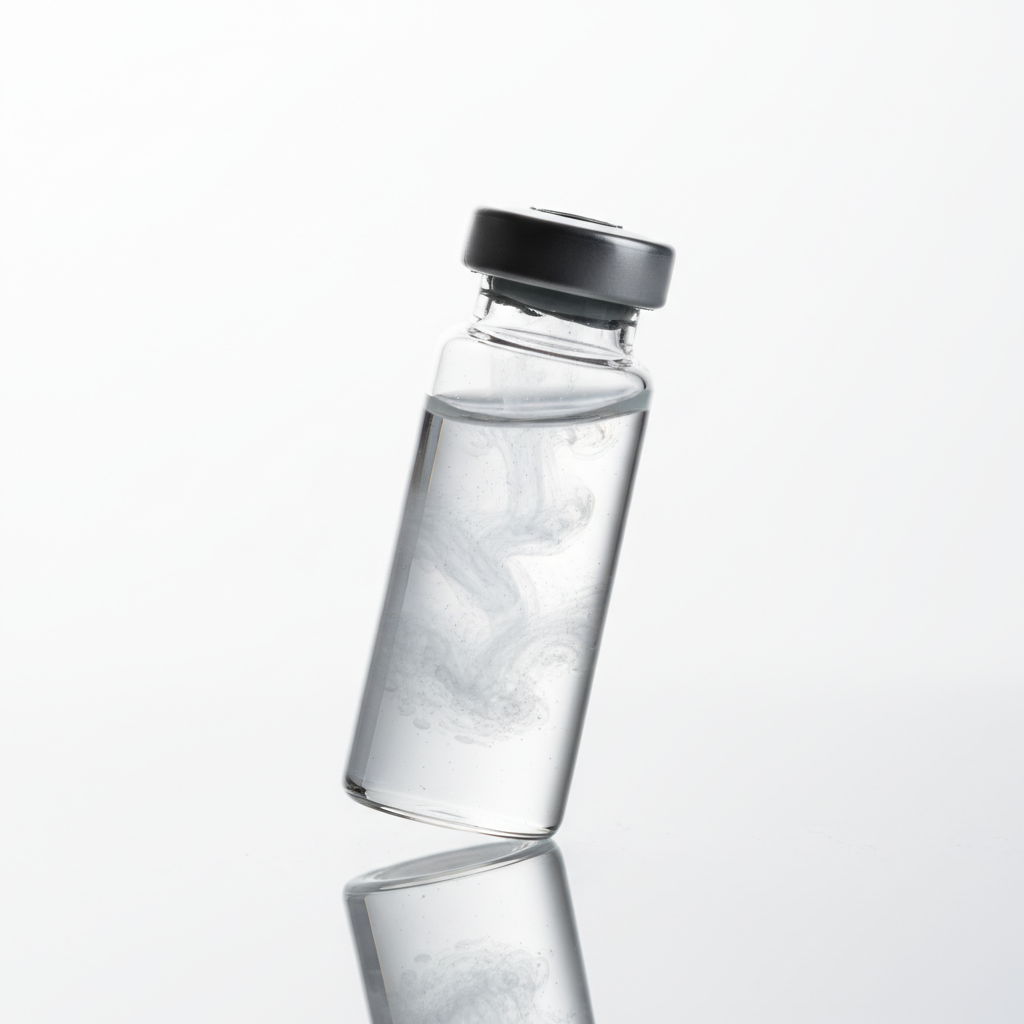 4
4Swirl to dissolve
Gently swirl until the powder fully dissolves into a clear liquid. Never shake.
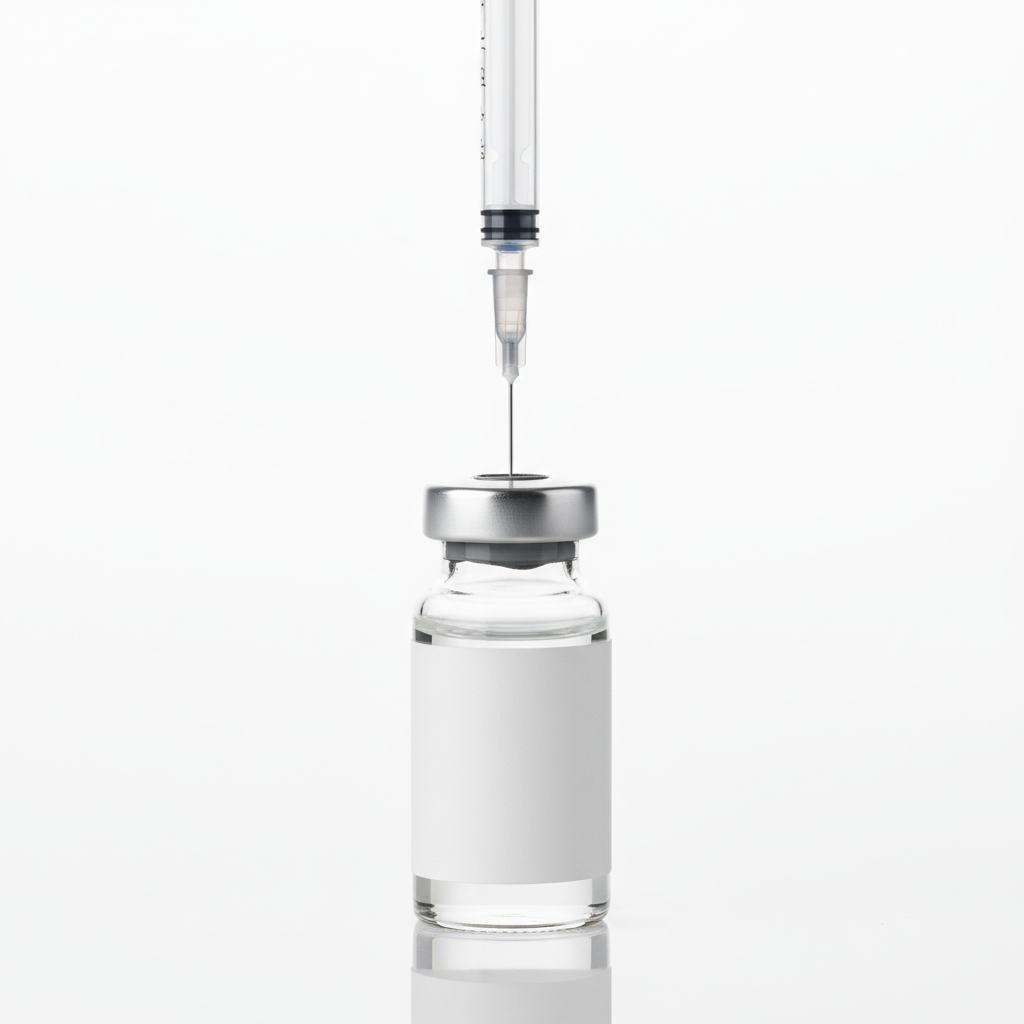 5
5Equalize, then draw
To draw a dose: push in an equal amount of air first to equalize the pressure, then pull your dose.
- 1
Swab both tops
Wipe the rubber top of the bacteriostatic-water vial and the AOD-9604 vial stopper with a fresh alcohol pad, and let them air-dry. Never touch the needle or the stoppers after wiping.
Alcohol swab · let dry - 2
Draw the water
First pull 2 mL of air into the syringe and inject it into the bacteriostatic-water vial to equalize the pressure, then draw your 2 mL of water back out. Inject it into the AOD-9604 vial down the inside glass wall, not onto the powder.
2 mL BAC water - 3
Swirl, don't shake
Gently swirl the 5 mg vial until the powder fully dissolves into a clear liquid. Never shake — shaking can damage the peptide and foam the solution.
Swirl, don't shake - 4
Know your strength
The vial is now 2.5 mg/mL. Each unit on a U-100 syringe holds about 25 mcg.
2.5 mg/mL - 5
Re-swab & draw your dose
Wipe the stopper again. With a fresh insulin syringe, pull back 20 units of air and inject it into the vial to equalize the pressure, then draw 20 units (0.2 mL) for a 500 mcg dose.
20 units - 6
Store it right
Keep the mixed vial in the fridge, away from light. Use a new sterile syringe every time, never share, and drop used sharps in a proper container.
Refrigerate · fresh needle
What each water volume gives you:
3 · Full units reference
Every bacteriostatic-water volume (rows) against every target dose (columns) — each cell is the U-100 units and the exact draw in mL. The highlighted row is the easiest volume to measure.
| BAC water | Concentration | Per unit | 300 mcg | 500 mcg | 1 mg |
|---|---|---|---|---|---|
| 1 mL | 5 mg/mL | 50 mcg | 6u0.06 mL | 10u0.1 mL | 20u0.2 mL |
| 2 mLeasy pick | 2.5 mg/mL | 25 mcg | 12u0.12 mL | 20u0.2 mL | 40u0.4 mL |
| 3 mL | 1.67 mg/mL | 16.67 mcg | 18u0.18 mL | 30u0.3 mL | 60u0.6 mL |
4 · Everyday usage
AOD-9604 failed to beat placebo in human obesity trials and has no validated human dose. The pattern below is community-reported only.
Fat-loss support (community, SC)
Community-reported · anecdotalA per-injection amount people commonly report, often once daily on an empty stomach and cycled.
- Reported amount
- 300 mcg–500 mcg≈ 12–20 units @ 2 mL
- Frequency
- Once daily
- Cycle
- ~8–12 weeks (community)
Community-reported and anecdotal (~300–500 mcg per subcutaneous injection, once daily). AOD-9604 (an hGH 176-191 fragment) did not outperform placebo in human obesity trials, is not FDA-approved, has no validated human dose, and this is not a recommendation.
Frequently asked questions
How many insulin units is 300 mcg of AOD-9604 from a 5 mg vial?
- Reconstituting a 5 mg vial with 2 mL of bacteriostatic water gives 2.5 mg/mL — about 25 mcg per unit. Drawing 300 mcg is 0.12 mL, or 12 units on a U-100 insulin syringe. This is measurement math, not a dose recommendation.
How many insulin units is 500 mcg of AOD-9604 from a 5 mg vial?
- Reconstituting a 5 mg vial with 2 mL of bacteriostatic water gives 2.5 mg/mL — about 25 mcg per unit. Drawing 500 mcg is 0.2 mL, or 20 units on a U-100 insulin syringe. This is measurement math, not a dose recommendation.
Is there an established dose of AOD-9604?
- No. AOD-9604 failed to beat placebo for weight loss in human trials and is not FDA-approved, so there is no validated human dose. The figures here are community-reported and anecdotal. Dosing decisions belong with a licensed clinician.
WikiPeps is a community reference. Reconstitution figures are deterministic measurement math; usage figures are sourced and labeled. Nothing here is medical advice, a recommendation, or an offer to sell peptides — dosing decisions belong with a licensed clinician.